Creating Your Perfect Pond

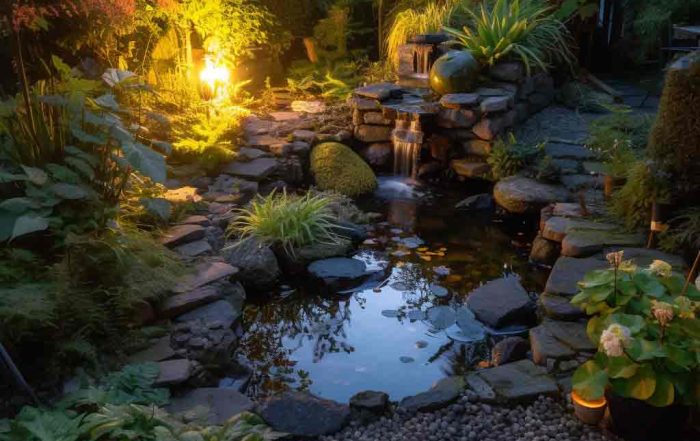
There’s nothing quite like the sight and sound of running water to add a whole new dimension to any garden, so it’s hardly surprising that the popularity of ponds and water features just keeps on increasing by the year.

Whether you’re building a new pond, renovating an old one, planning an additional feature, or simply want to keep the one you have in top condition, there will be plenty of times when a bit of help and advice can come in very handy – and that’s where this site comes in. This guide has been written to provide an overview of the important things to consider in the quest for your perfect pond, along with some of the problems you may encounter and the equipment you could need.

1. What Sort of Pond do I Want?

It is worth taking the time at the outset to consider what kind of a pond or water feature you want to have, and how you see it fitting into your life. If you’re an avid koi carp fan, a serious water lily enthusiast, or you want to do your bit for nature conservation, then the answer is probably pretty clear to you already. On the other hand, if you know that you definitely want a water feature in your garden, but you’re not quite sure what kind, then there’s obviously some more thinking to do.

It’s not just about deciding if you want to start breeding fish, or attracting wildlife; it’s just as important to take other factors about your home and lifestyle into account, too. Is safety going to be a major issue for you – do you, for instance, have a young family or grandchildren?

How much space you have available is another thing to consider, but it is important to remember that you don’t have to have a huge garden to be able to enjoy a pond. There’s no shortage of plants and equipment suitable for the mini ponds, so with a little thought, an excellent water feature can be created on even the smallest of patios.

2. Careful Planning

Having decided what sort of pond you want, it’s time to start planning the details, such as how big you want it to be, what features it will include, how you’ll decorate it and where it will be sited.

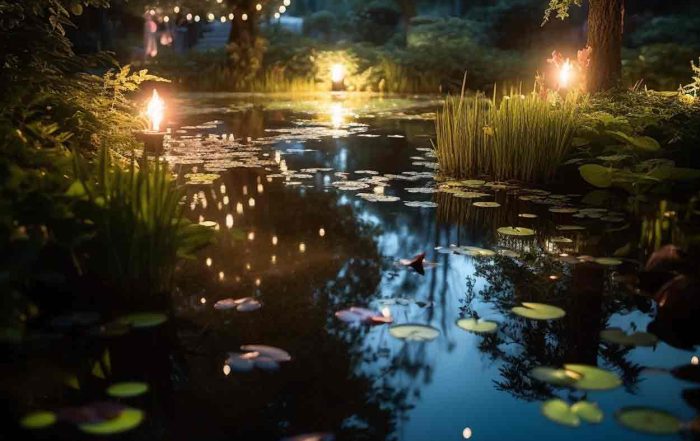
Of course, it’s always better to plan for all the things you know you’d like to include at the start, rather than try to modify your pond to accommodate them later. Decide if a fountain or waterfall is for you and think carefully about where you will place the necessary pumps, lights and filters at this stage, and also how you will arrange a safe electricity supply to power them.

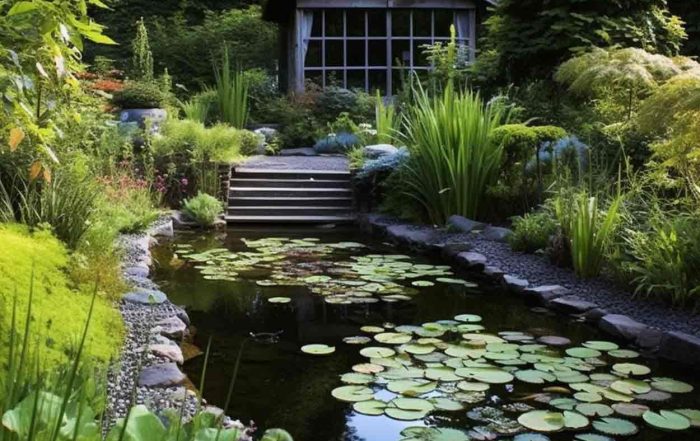
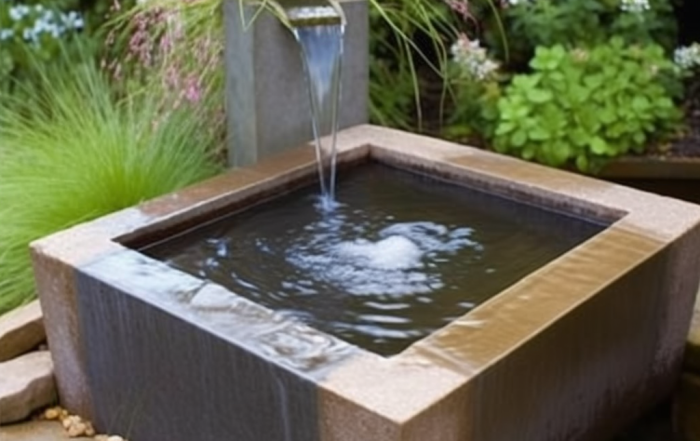
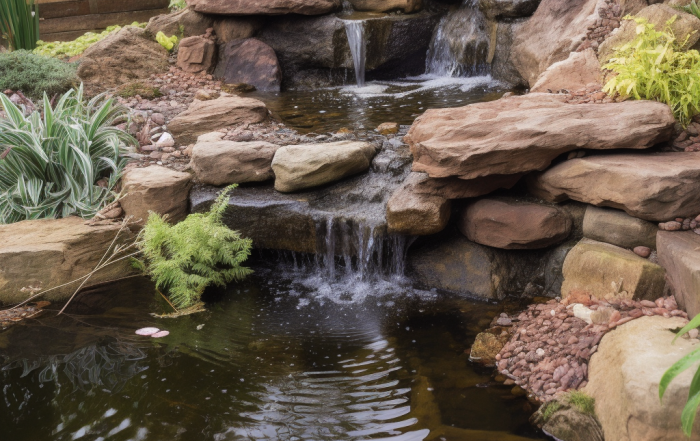
Give some thought, too, to how you want the edge of your pond to look, and how it will fit into the rest of the garden design. Will you opt for an edge of rock or gravel, or would decking be a better alternative? Landscaping the margins of the pond itself, and picking the right plants for the edge can be the key to making the whole thing look right, so time spent thinking about these aspects is never wasted.

3. Building your Pond

There’s no real hard and fast best material to use when it comes to building your own garden pond. Each of the different options has its own particular advantages and disadvantages, so in the end, the choice between using concrete, pre-formed ponds, or flexible liners largely comes down to a matter of personal preference. That said, there are some differences in the actual fitting and construction techniques, as well as their methods of repair if that should become necessary, so it is worth familiarising yourself with what each entails, to ensure you make the choice that will suit you best.

Once all the digging and construction is over, and the pond has been filled, there’s some equipment to fit, the edging to complete and the planting to consider.

4. Adding Pumps, Fountains and Filters

Moving water adds so much to the aesthetics of the whole garden, but it does a lot more besides. Adding a pump helps ensure that the water is well mixed, which stop stagnant areas from developing and helps even out the temperature of the pond, while having the water splash back via a fountain or a waterfall feature is the perfect way to keep it well aerated. Pass the circulating water through a good bio-filter, too, and in a stroke you have dealt with the age old pond-keeper’s curse of green water – the regular bloom of algae that routinely made ponds so unsightly before the development of cheap and effective ultra-violet clarifiers.

Most of these will require a safe and properly installed electrical supply, but for very small ponds, or larger ones in need of a little extra effect in the summer, there is now a growing range of solar powered pumps which might be worth considering.

The key thing to remember in all of this is to make sure that you get the appropriate pump for your pond and fountain. There’s no greater disappointment than switching on your pump, excitedly expecting to see your own back-garden Niagara, only to be greeted with a feeble trickle. It’s very simple to work out the size you need and it is much easier – and cheaper in the long run – to get it right in the first place, than start off with one that’s far too small.

5. Plants and Planting

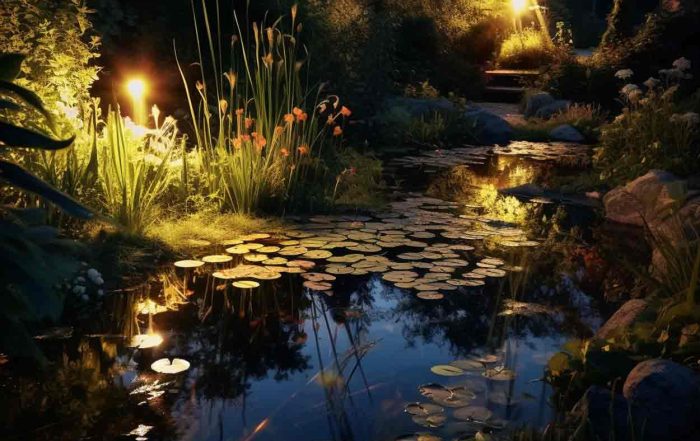
Good planting brings the pond alive, and it doesn’t matter whether you’re building a fish pond, a wildlife habitat or a true water garden, wisely chosen plants will enhance the aquatic environment and add to the overall impact of the whole landscape. Pond plants come in a huge variety of sizes, shapes and colours, from subtle and small to huge and spectacular, so whatever look you’re trying to achieve, you should be able to find something to suit.

Whether you favour native species, or some of the more exotic imports, the trick is to strike the right balance between marginal, floating, oxygenating and deep water plants within the pond itself, and then select suitable specimens to use around it, to help soften the edges and blend it into the rest of the garden. A bog garden, full of attractive, moisture-loving plants, has traditionally been one of the most successful ways to do this, though other approaches are gradually becoming more popular.

6. Water Quality

Water quality is a major factor in keeping any pond healthy, and it’s doubly important if that pond is going to be holding fish. Fortunately today, simple DIY pond testing kits are widely available and you don’t have to be a qualified laboratory scientist to use them! Many of the typical quality problems associated with ponds are much easier to deal with if they are detected early on, so a good testing regime is an important part of getting your new pond off to a flying start. Then, if you do need to take remedial action, there’s no shortage of pond treatments on offer to help you.

7. Stocking with Fish

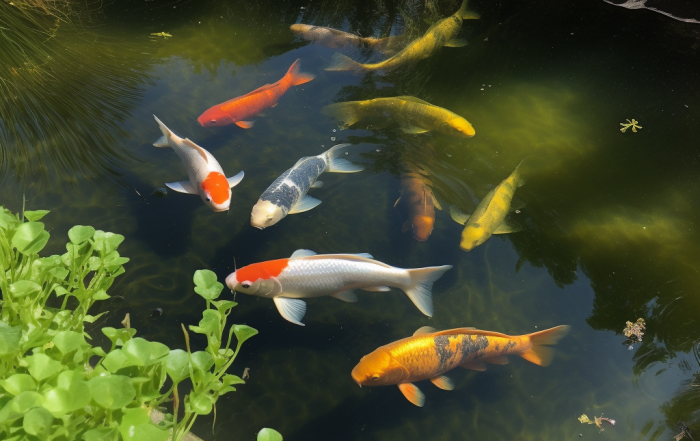
Once you’re sure of the water quality, if you are planning to have fish in your pond, you need to consider which varieties to have, how to keep them in good health and, if necessary, how to protect them from the unwelcome attentions of herons and next door’s cat. The golden rule is not to over-stock – and remember that small fish will, hopefully, grow into bigger ones, and with a bit of luck they may even breed. So bear in mind the size of your pond, and don’t let yourself be tempted to squeeze a few more in once you’ve worked out what you can safely accommodate.

8. Pond Life

Even if you haven’t specifically gone out of your way to encourage wildlife to your pond, you will almost certainly find that various forms of pond life will adopt it as their home. If yours is a family of budding Attenboroughs, having all those frogs, newts, dragonflies and their kin visiting offers an excellent educational opportunity, but whether or not formal pond dipping appeals, there will still be plenty to see.

Nevertheless, you may find that some of your visitors are less welcome than others, especially if they start eating your plants. Pest control can be as much of an issue here as it is elsewhere in the garden, so it pays to keep your eyes peeled.

9. Routine Maintenance

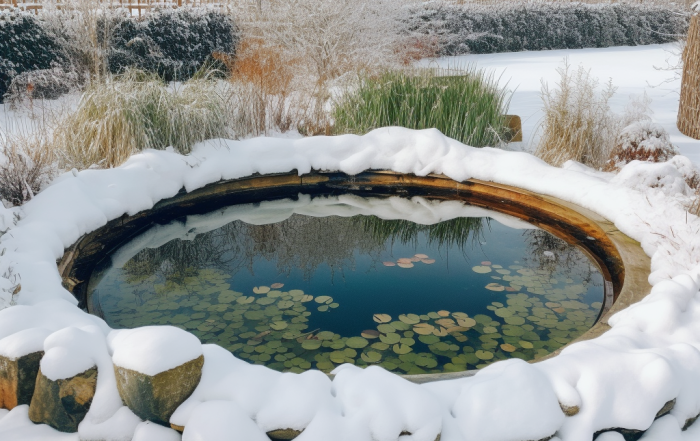
Just like the rest of your home, keeping your pond in good shape calls for a little routine maintenance and paying it proper attention can save you a lot of heartache in the long run. The time of the year inevitably dictates many of the jobs that need to be done to prepare the pond for the changing seasons, while others such as algae control, silt removal and necessary repairs can be less predictable, and will have to be addressed as and when they do arise.

Pond equipment, such as the pumps, filters, clarifiers and lights, will need to be checked periodically and maintained to ensure that they stay functioning as they should.

10. Dealing with Problems

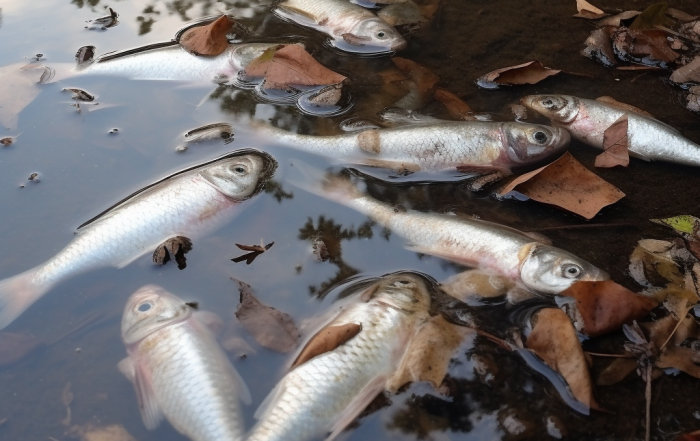
No matter how well you look after your pond, however, sooner or later you are bound to run into some kind of a problem and the more you understand about where things go wrong, the better you’ll be able to deal with them when they do. Choosing the right equipment to begin with, a good maintenance programme, and keeping on top of water quality issues will go a long way to help reduce your likelihood of coming across many of the more usual potential pond troubles – and helps reduce their severity if you do.

It’s not all bad news and some of the problems can even turn out to be blessings in disguise. Managing overgrown plants, for instance, can often turn into the perfect opportunity to swap your unwanted excess with other pond owners – and that works out as a very cheap way to get some new plants for your own pond.

There’s a water feature to fit every garden or backyard, no matter how small, and to suit every pocket. Whatever sort of pond you want to create, we hope you’ll find yourself coming back to this site to get the ideas, know-how and answers to help you create it and keep it looking its best.

Popular Articles...
Raised Ponds
RAISED PONDS: Raised ponds are probably the least well known of all the many styles of water features which is a shame, since they have much...
Edging Your Pond
EDGING YOUR POND: With the hole dug, the pond itself installed and the bulk of the physical labour behind you, edging the pond marks the...
Pre-Formed Pond Liners
PRE-FORMED POND LINERS: Any pond is only as good as its liner. In the end how well the pond holds water – and how long it lasts – really all...
Our Categories...
Ask Our Experts
Ask Our Experts: What Could be the Reason for all the Fish Dying?, Could Barley Straw...
Building a Pond
Building a Pond: Planning the Pond for All Ability Access, Solar Powered Water...
Decorating Your Pond
Decorating Your Pond: Planting Your Pond for Maximum Impact, Using...
FAQs
FAQs: FAQ: Pond Fish Problems, Pond Wildlife: Frequently Asked Questions,...
Fast Fact
Fast Fact: FAQ: Pond Fish Problems, Pond Wildlife: Frequently Asked Questions,...
Maintaining Your Pond
Maintaining Your Pond: Spring Pond Maintenance, What Do You Know About...
Pond Life
Pond Life: A Beginner's Guide to Fish Breeding, Frogs and Frogspawn, Newts and...
Pond Plants
Pond Plants: Ideal Plants for Deep Water, Picking Oxygenators for Your Pond,...
Ponds & Safety
Ponds & Safety: Children and Pond Safety, General Pond Safety, Pets and Pond Safety,...
Our Quick Links...
Most Popular...
Add to my Yahoo!
Add to Google
Stumble this
Add to Twitter
Add To Facebook
RSS feed
You should seek independent professional advice before acting upon any information on the PondExpert website. Please read our Disclaimer.